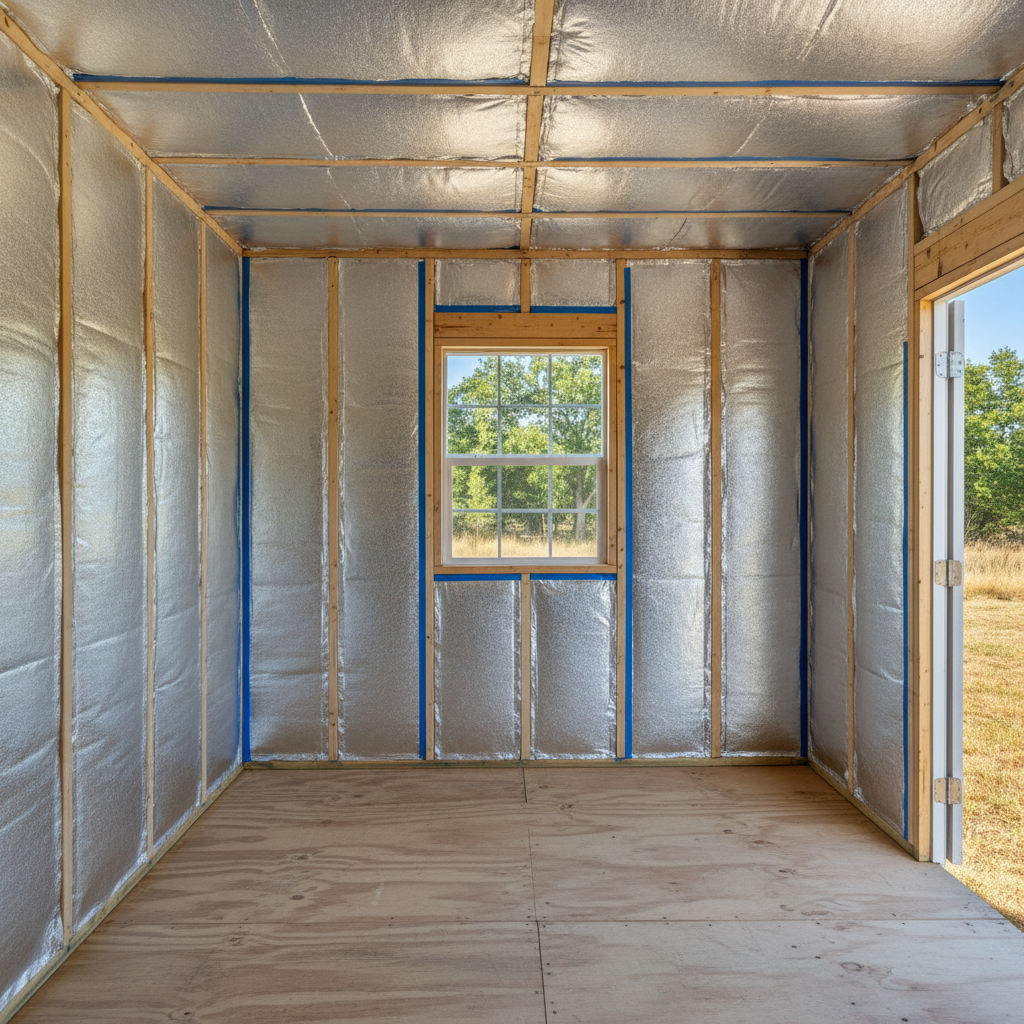
So, you've decided to insulate your shed. Good call, really. Whether you're using it as a workshop, for extra storage, or maybe even a man cave or she-shed, keeping that space comfy and safe from our Texas heat and humidity just makes plain sense. But I've seen plenty of folks around New Braunfels stumble into some pretty common mistakes when they're planning or hiring for a shed insulation job. Let's talk about what to watch out for, so you don't end up kicking yourself later.
Mistake #1: Not Planning for the Heat (and Humidity!)
This is probably the biggest one I see, hands down. People think, "Oh, I'll just throw some insulation in there, and it'll be fine." But New Braunfels isn't just hot; it's humid, too. That humidity is a real killer for comfort and can lead to big problems if you don't plan for it. You can insulate a shed all you want, but if you don't think about ventilation and a proper vapor barrier, you're just asking for trouble. We're talking mold, mildew, and just plain muggy air, even with insulation. If you're planning on running an AC unit in there, a good vapor barrier isn't just a suggestion, it's non-negotiable. Without it, that cold air hits the warm, moist air in the walls, and you get condensation. It's like a cold glass of sweet tea on a summer day – it sweats. Same thing happens inside your walls, and that's not good for wood or anything you've got stored in there, is it?
Mistake #2: Going Too Cheap on Materials
I get it, a shed isn't your main house. You want to save a buck. But cutting corners on insulation materials usually comes back to bite you. Fiberglass batts are cheap, sure, but they're not always the best choice for a shed, especially one that isn't climate-controlled 24/7. They can sag over time, and if they get wet – which can totally happen in a shed – their R-value drops significantly. Plus, they don't do much to stop air leakage. I've seen sheds in older neighborhoods, like those around Gruene, where folks tried to DIY with the cheapest stuff, and a year later, they're calling us because it's still an oven in there or they've got moisture issues. Sometimes spending a little more upfront on something like rigid foam board or even spray foam (for a really airtight seal) saves you a lot of headaches and energy costs down the road. Trust me on this one.
Mistake #3: Ignoring Air Sealing Entirely
Insulation slows heat transfer, but air sealing stops air movement. You can have the best insulation in the world, but if your shed has gaps and cracks everywhere, you're just heating or cooling the outside. Think about all those little gaps around the door, windows, foundation, and where the walls meet the roof. Those really add up. Before you even think about insulation, you need to seal those up. Caulk, expanding foam, weatherstripping – these are your friends. It's a simple step that makes a huge difference in how effective your insulation will be. It's like trying to fill a bucket with water when it's got holes in the bottom. You gotta plug the holes first.
Mistake #4: Not Vetting Your Contractor (or Doing it Yourself Wrong)
Look, I'm a contractor, so maybe I'm biased, but I've seen some real hack jobs out there. Some general contractors might say they can insulate your shed, but if they don't specialize in it, they might miss crucial steps like proper air sealing or vapor barrier installation. Ask questions. Do they understand the specific challenges of insulating a detached structure in our climate? Do they know about R-values and how they apply to sheds? What materials do they recommend and why? If they can't give you clear answers, that's a red flag. And if you're DIYing, watch a ton of videos, read up, and understand the materials you're working with. Don't just slap it up there. We've had calls from folks who tried to spray foam themselves and ended up with a huge mess or an improperly insulated space that actually caused more problems than it solved. It's a tricky business.
Mistake #5: Forgetting About the Floor
Most sheds are built on skids or a concrete slab, and people often forget that heat (or cold) can come right up through the floor. If your shed is elevated, insulating the floor joists with rigid foam or even some closed-cell spray foam can make a massive difference. If it's on a slab, you might not have many options after the fact, but if you're building new, consider insulating under the slab or using an insulated slab system. It's a common oversight, but once you've insulated the walls and ceiling, that uninsulated floor becomes a major weak point in your thermal envelope. It's a shame to do all that work and miss this one key spot.
Insulating your shed is a smart move for comfort and protecting your stuff. Just make sure you're doing it right. Plan for our specific climate, don't cheap out on key materials, seal up those air leaks, hire someone who knows what they're doing (or learn it well yourself), and don't forget the floor. If you've got questions or need a hand, Apex Insulation is always here to help you figure out the best approach for your shed.