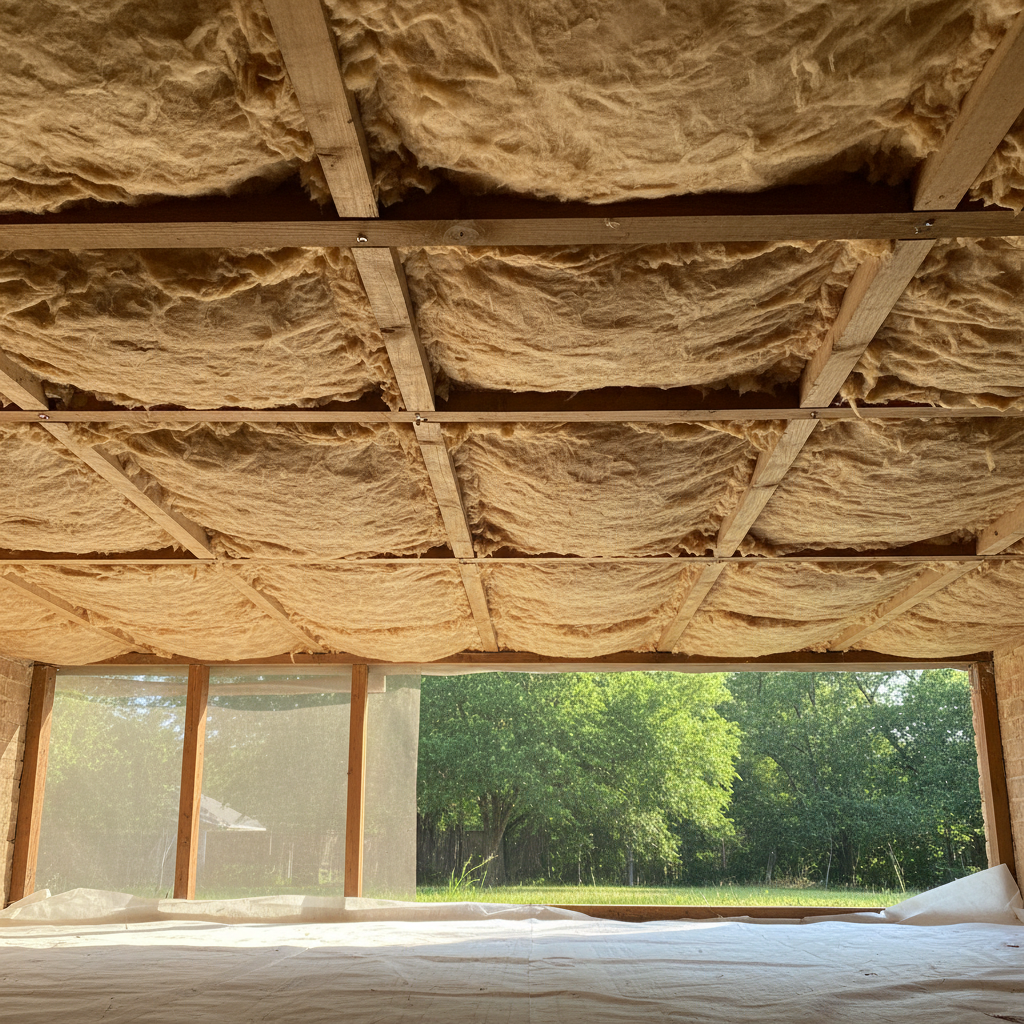
Is your crawl space insulation actually working, or is it just hanging there like a sad, damp curtain? A lot of folks in New Braunfels don't even think about that space under their house until they feel a draft, or their floors are freezing in winter. Or maybe their AC bills shoot up in the summer. But that area is a big deal for your comfort and your wallet. So, let's talk about insulating it.
Before You Start: What to Check
Before you even think about insulation, you've gotta make sure your crawl space is clean and dry. This isn't something you can skip. You can't just slap new insulation over existing problems. Here's what I always tell folks to look for:
- Moisture: Got standing water? Damp spots? Condensation? If so, you need to fix that first. Maybe it's a leaky pipe, poor drainage outside, or just high humidity. You might need a French drain, a sump pump, or a dehumidifier. Insulating a wet crawl space is like putting a band-aid on a broken leg – it won't help and could actually make things worse by trapping moisture and encouraging mold.
- Pests: Critters just love crawl spaces. Look for droppings, nests, or chewed-up material. You definitely don't want to seal in a rodent problem, do you? Get them out and seal up entry points before you insulate.
- Vapor Barrier: Is there a plastic sheet on the ground? That's called a vapor barrier, and it's super important for keeping ground moisture from evaporating into your crawl space and then into your home. If it's torn or missing, you'll need to replace it. I usually recommend a good quality 6-mil polyethylene sheet.
- Existing Insulation: What's already down there? Is it falling down, moldy, or squished flat? If it's wet or damaged, it needs to come out. Old, dirty insulation can be a real pain to remove, and it's definitely a messy job.
Seriously, don't skip these steps. If you've got standing water or major mold, that's a job for a specialist, not a DIY project.
DIY Crawl Space Insulation: What You Can Tackle
Alright, so your crawl space is dry, clean, and sealed up against moisture and pests. Now you can think about insulation. For many homeowners, installing batt insulation between the floor joists is a common DIY approach. This is usually fiberglass or mineral wool.
Here's the gist:
- Measure Carefully: Get your measurements right for the width between your joists and the depth. You want the insulation to fit snugly without being compressed.
- Wear Your Gear: This isn't a job for shorts and a t-shirt. You need a good respirator, gloves, long sleeves, pants, and eye protection. Fiberglass dust is no joke.
- Install with Facing Up: If your batts have a paper or foil facing, that's usually a vapor retarder. In our humid New Braunfels climate, you typically want that facing against the subfloor, facing the conditioned space above. This helps prevent moisture from getting into the insulation from the crawl space side.
- Use Support: Insulation batts won't just stay put on their own. You'll need insulation supports, often called 'tiger teeth' or wire hangers, to hold them firmly against the subfloor. Don't let it sag! Sagging insulation creates air gaps and doesn't do its job.
- Seal Air Leaks: Before you put up any insulation, use caulk or expanding foam to seal any gaps or cracks around plumbing penetrations, electrical wires, and rim joists. This is huge for stopping drafts.
This kind of project is doable for someone who's handy and doesn't mind getting dirty. It takes patience and attention to detail. Just remember, if your crawl space is really tight or hard to access, it's going to be a tough job.
When to Call a Pro (Like Apex Insulation)
There are definitely times when DIY just isn't the smart move. Here's when you should pick up the phone and call someone like us:
- Encapsulation: If you want to fully encapsulate your crawl space – which is a fantastic solution for moisture control and energy efficiency, especially with our Texas humidity – that's a pro job. It involves sealing the entire crawl space, including the walls and ground, with a heavy-duty vapor barrier, and often adding a dehumidifier. It's complex and needs specialized equipment.
- Spray Foam Insulation: Spray foam is amazing for sealing and insulating, but it requires special equipment and training to apply correctly. You don't want to mess this up. It expands, seals air leaks, and provides a high R-value. It's a top-tier solution, but not a DIY one.
- Major Moisture Issues: Like I said before, if you've got serious water problems, you need a professional to diagnose and fix the root cause before any insulation goes in.
- Limited Access or Health Concerns: If your crawl space is super tight, full of debris, or you're just not comfortable working in confined, dirty spaces, don't risk it. It's not worth getting hurt or doing a shoddy job.
- HVAC Ductwork: If your HVAC ducts are down in the crawl space, they need to be sealed and insulated properly too. This can get tricky, and a pro knows how to integrate it with the overall crawl space insulation plan.
A professional insulation contractor, like us at Apex Insulation, can assess your specific situation. We'll recommend the best type of insulation for your home and budget, and make sure it's installed correctly and safely. We've seen it all, from the old homes in downtown New Braunfels with their unique foundation challenges to the newer builds out towards Gruene.
After the Project: What to Expect
Once your crawl space is properly insulated, you should notice a difference pretty quickly. Your floors won't feel as cold in the winter, your AC won't have to work as hard in the summer, and your energy bills should go down. You might even notice less dust and better indoor air quality. It's a solid investment in your home's comfort and efficiency.
Just remember to do a quick check-up every now and then. Peek into that crawl space once a year or so, especially after heavy rains, just to make sure everything's still looking good. Catching a small issue early can save you a big headache down the road.